Hägerstrand · Lab
Department of Human Geography · Lund University

Hägerstrand Lab

Computational Inquiry in Human Geography

A newly founded research infrastructure at the Department of Human Geography, established to bring data, code, and ideas into proximity with the fundamental questions of human geography.

LocationRoom 42, KEG · Geocentrum I
Sölvegatan 10, 223 62 Lund
FoundedMay 2026 Contactphilipp.stark@keg.lu.se SESAC logo In collaboration with the Swedish Competence Centre for Satellite-Enabled Social Science Analytics (SESAC)

A shared space for computational geography.

The Hägerstrand Lab is a research environment at the Department of Human Geography where computational approaches are developed, discussed, and put into practice. It brings together researchers, students, data, code, and infrastructure in one shared space.

The lab supports work across human geography and computational social science — from spatial data analysis and machine learning to visualization, simulation, and digital mapping. Some projects are highly technical, others more exploratory. What matters is a willingness to work computationally with geographical questions.

Open by design

The lab does not follow a narrow definition of what "computational" should mean. Different methods, tools, and traditions coexist here: programming, GIS, statistics, visualization, modeling, qualitative–quantitative work, and experimental forms of inquiry.

Rather than enforcing a single approach, the lab is intended as a place where people with different competences can encounter each other's work, exchange ideas, and collaborate across boundaries.

Why Hägerstrand?

The lab is named after Torsten Hägerstrand, whose work at Lund University reshaped human geography through ideas about space, time, mobility, and everyday life. His time-geography described how human activity unfolds through paths, constraints, and interactions across space and time.

Many of those ideas now intersect naturally with contemporary computational methods: mobility data, spatial simulation, agent-based models, and large-scale geographical analysis. The name reflects both an intellectual inheritance and a continuing curiosity about how computational methods can deepen geographical understanding.
One shared purpose, many practices.

At its core, the lab brings together people with computational competences and an interest in them. That central purpose radiates outward into several interconnected activities:

Bringing together people with computational competences and interest in them

The shared purpose that connects all lab activities

Place for Exchange

A forum for dialogue across methodological and disciplinary boundaries.

Collect Knowledge

Bringing together information, resources, and shared reference materials.

Create Digital & Physical Products

From code and visualizations to reports and spatial artifacts.

Cluster Services

Access to and support for high-performance computing infrastructure.

Students & Researchers

Bridging graduate learning and active research practice.

Guests & Temporary Staff

A fixed point for visiting scholars and short-term collaborators.

The Inauguration
Tuesday, 5 May 2026

Fika, projects, and an opportunity space.

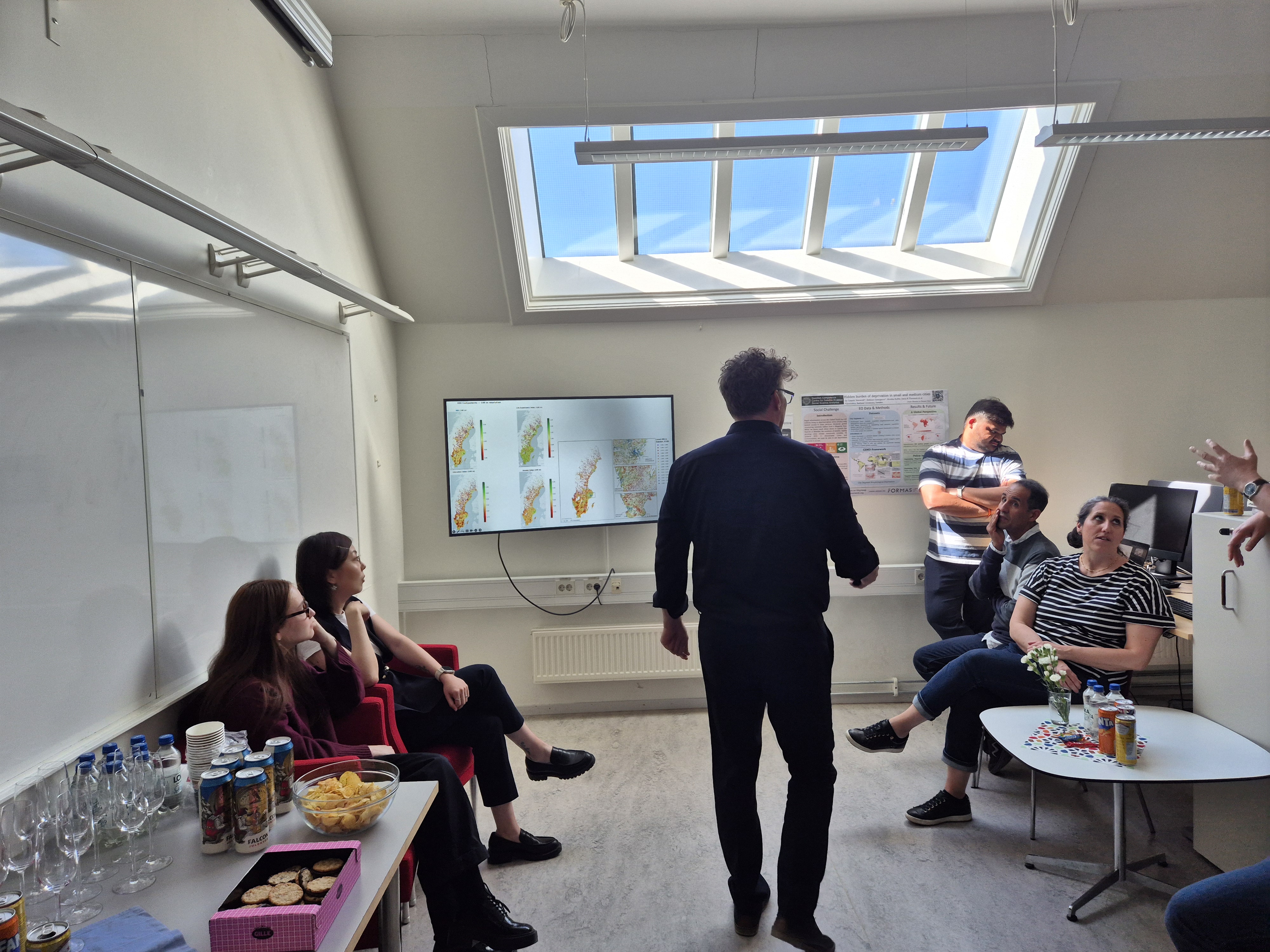
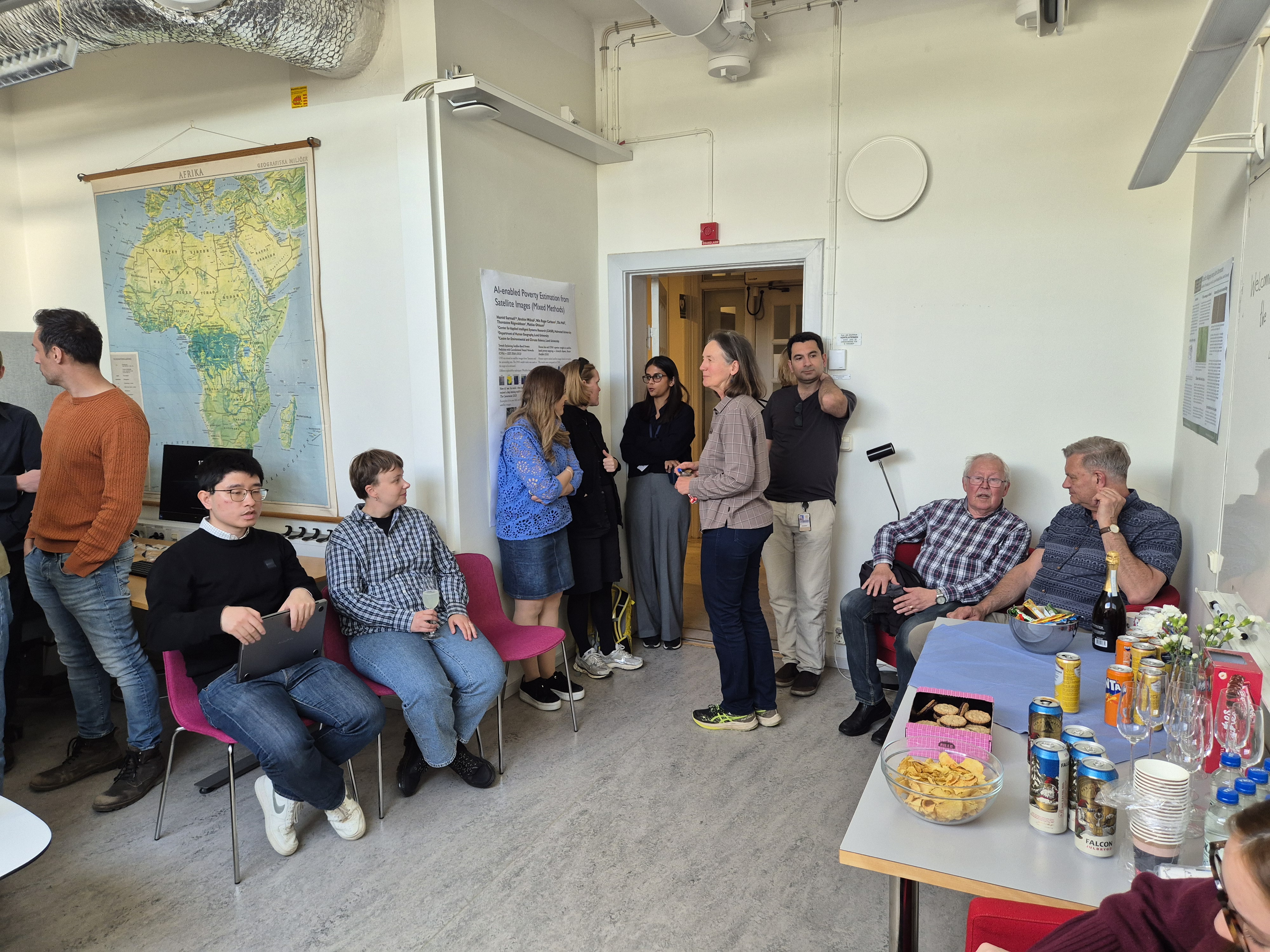
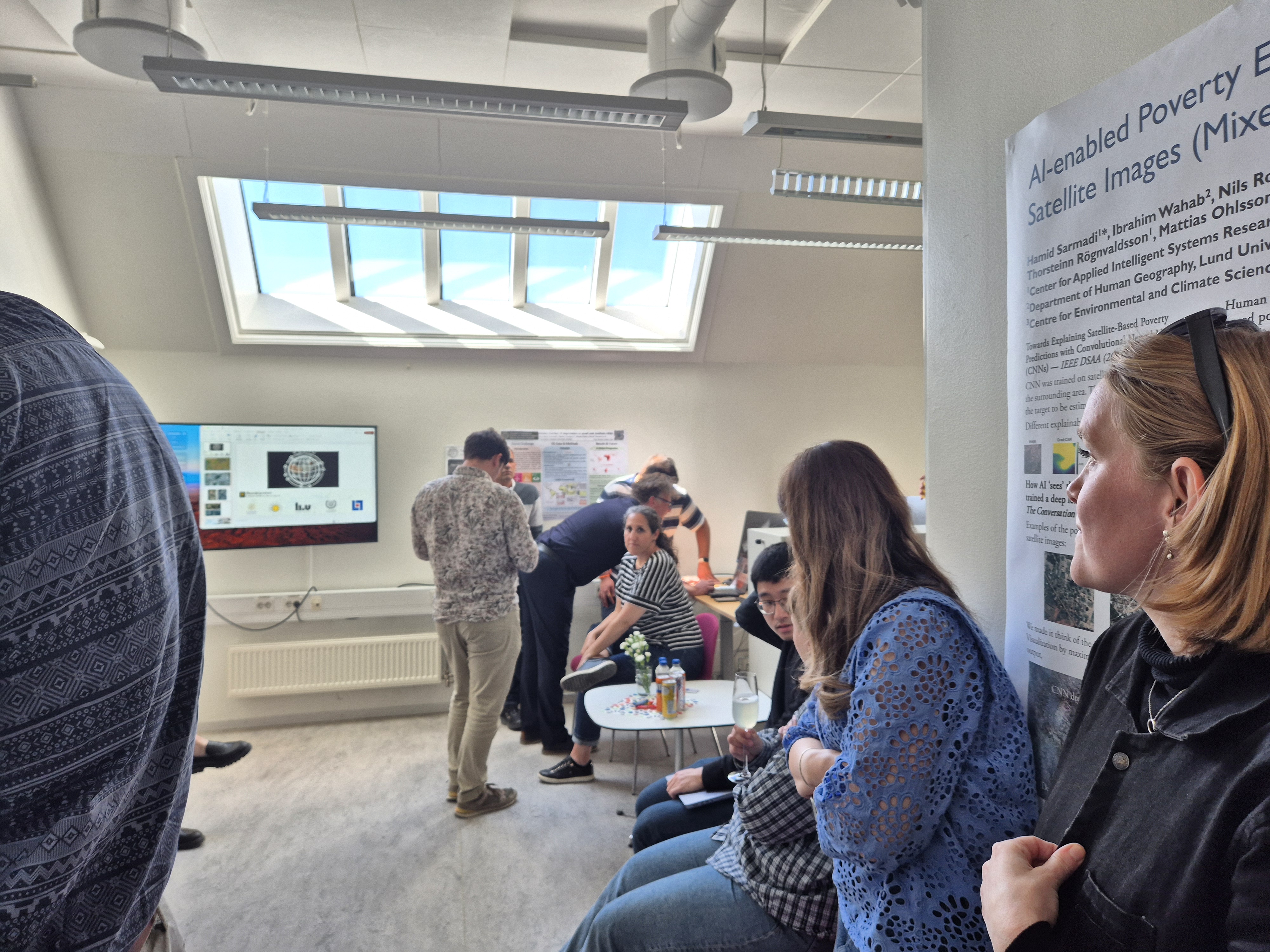
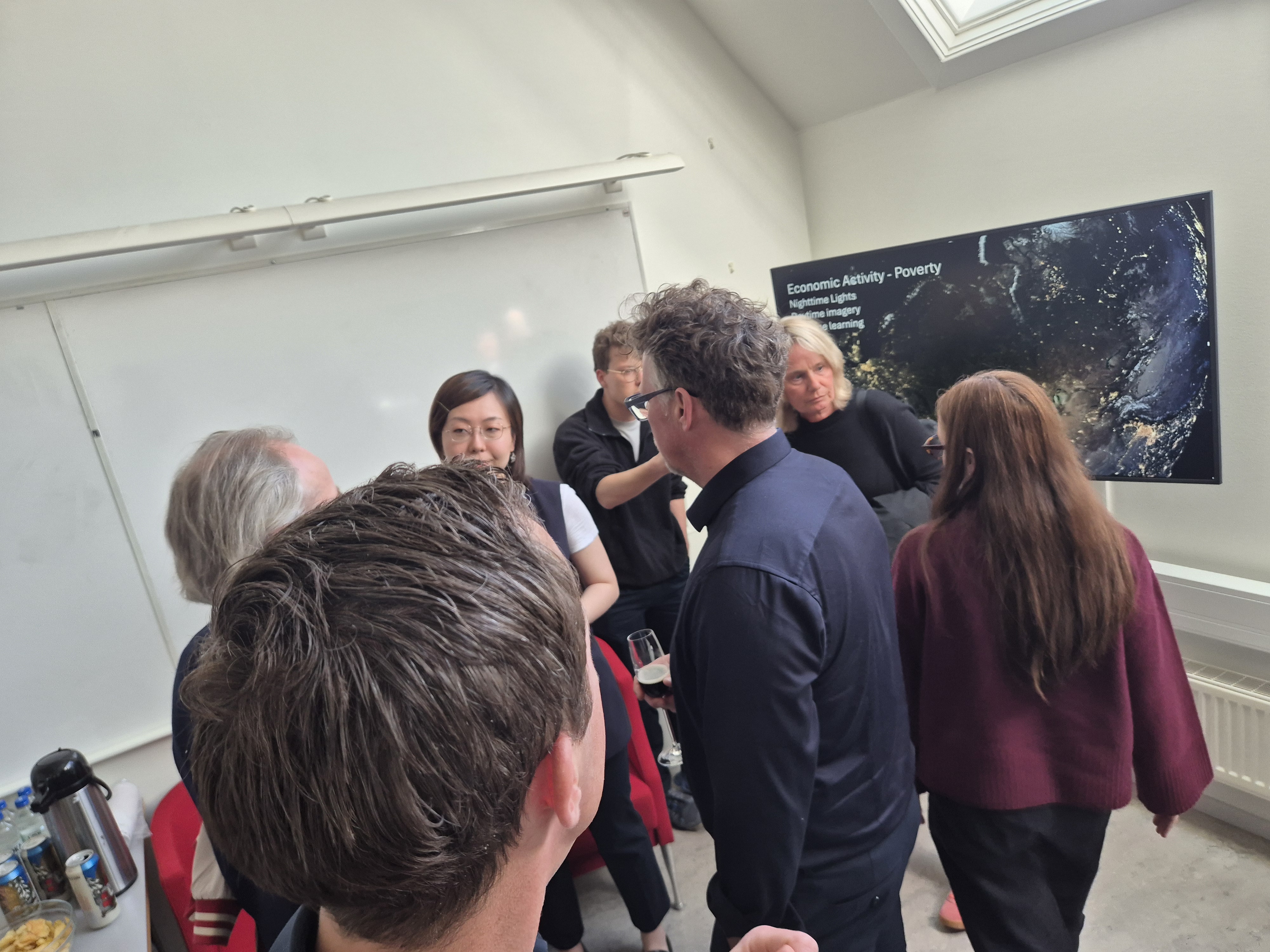
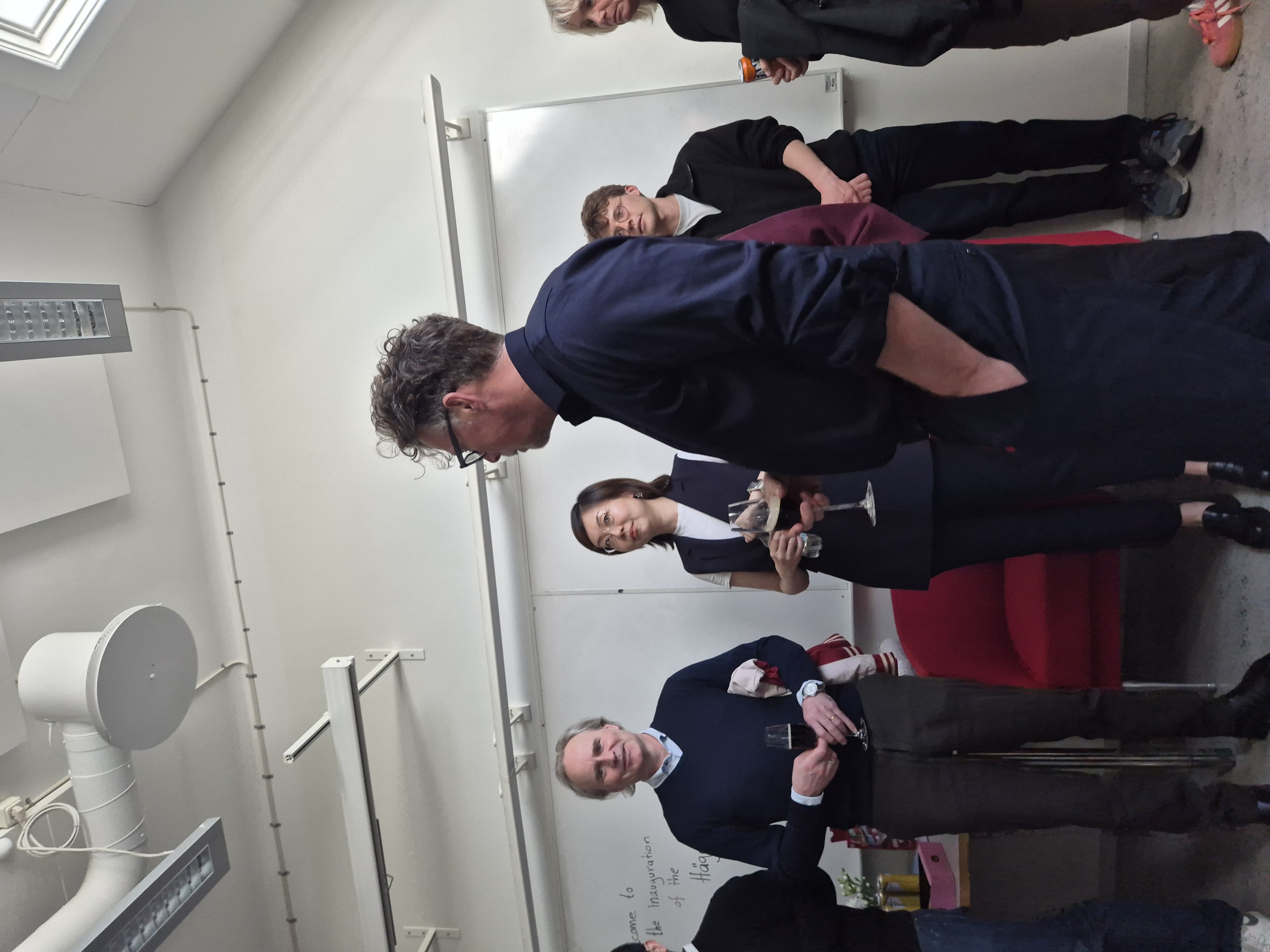
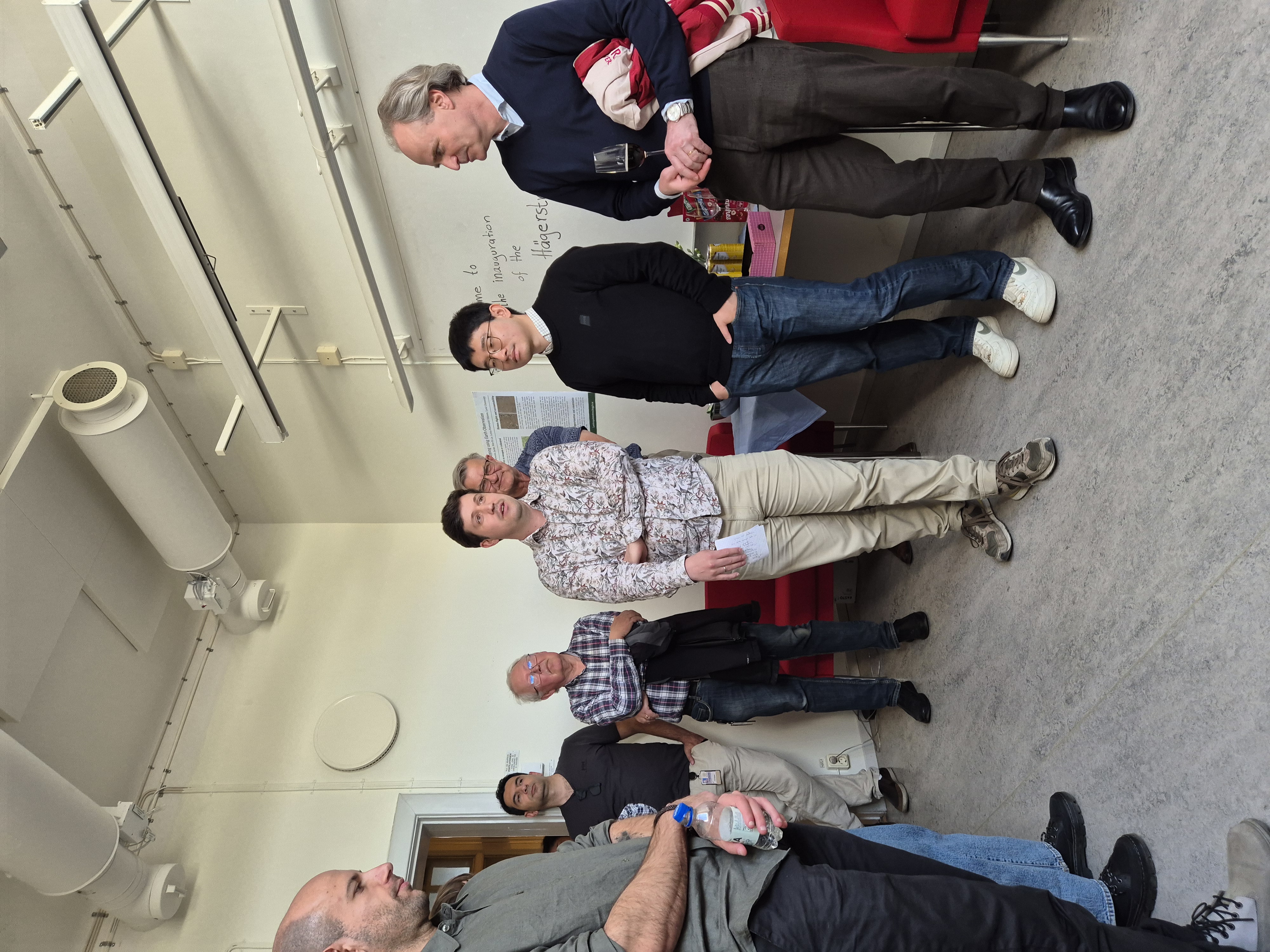
The inauguration marked the opening of the Hägerstrand Lab as a new research environment within the Department of Human Geography, with support and recognition from both the department and the Faculty of Social Sciences. The afternoon brought together colleagues and guests for conversation, fika, and a series of welcoming speeches. Henrik Gutzon Larsen reflected on the intellectual legacy of Torsten Hägerstrand and its continued relevance for contemporary geographical research, alongside welcoming words by Ola Hall, Markus Grillitsch, and Philipp Stark.

When5 May 2026, 3 pm WhereRoom 42, KEG · Geocentrum I FormatTalks · fika · conversation
Read the invitation (PDF)
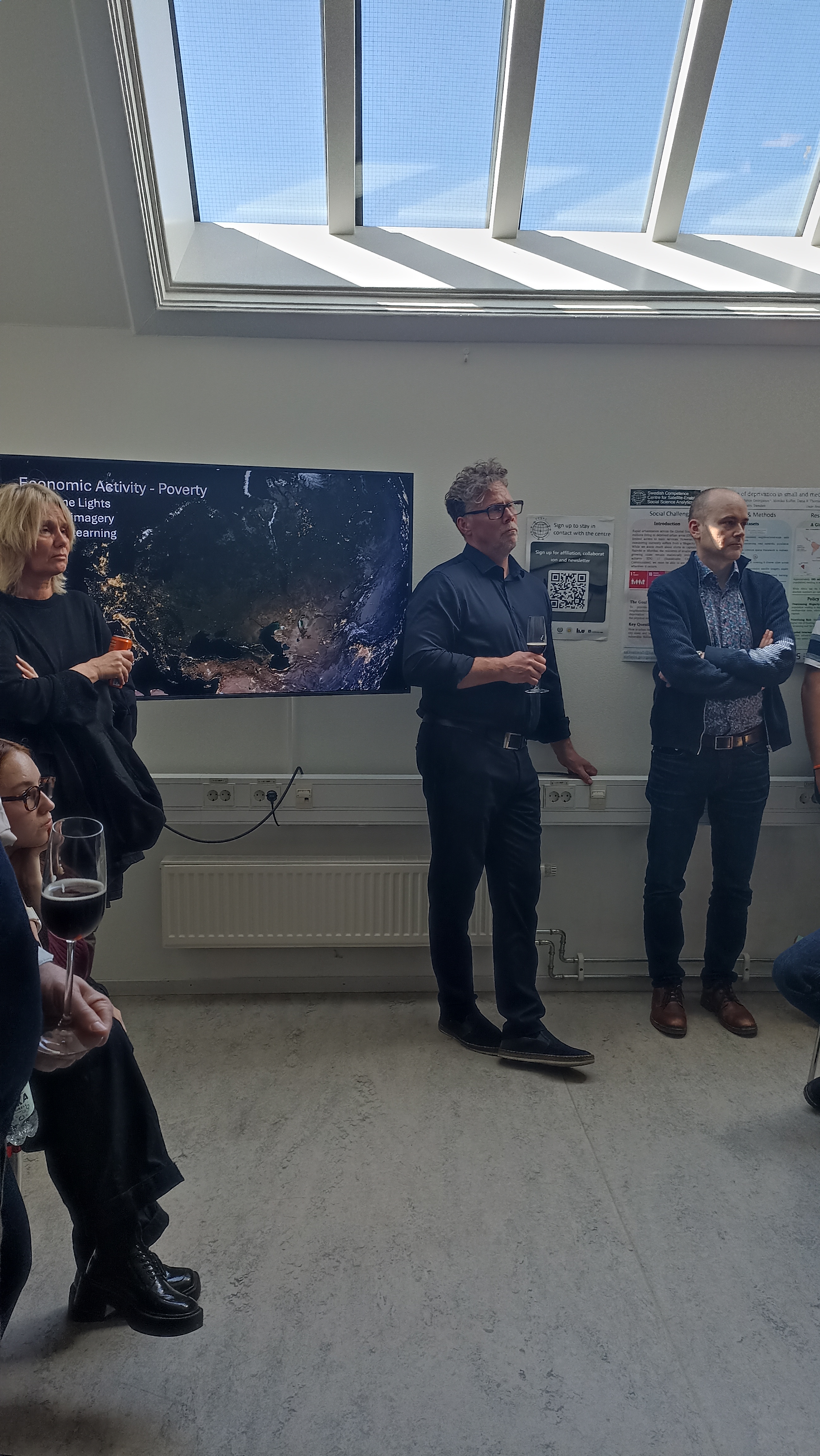
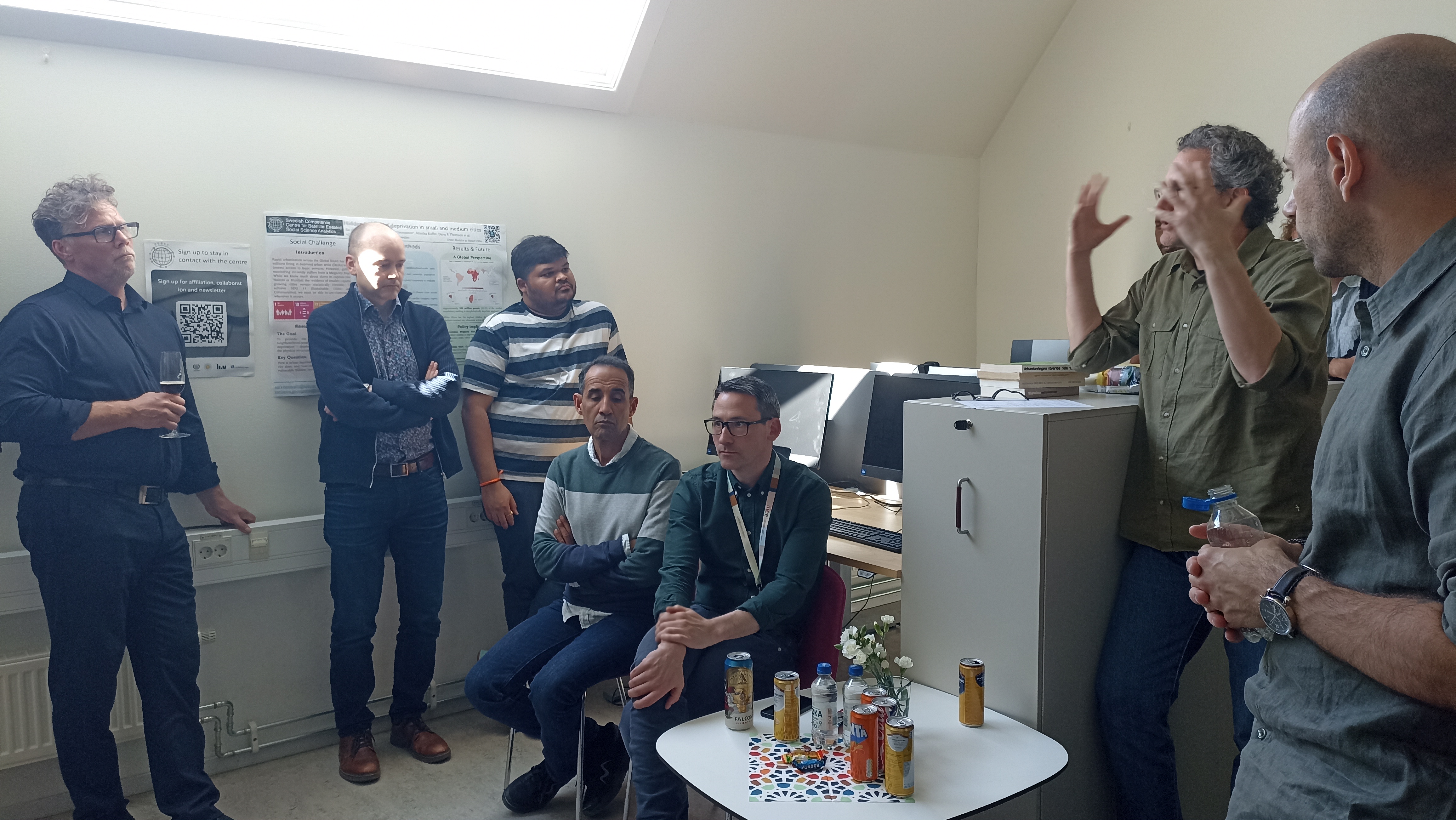
Guests gathered under the skylights in Room 42, with the wall-mounted map visible during the inauguration

What's happening in the lab.

5 May 2026

The lab is open.

The Hägerstrand Lab held its inauguration in Room 42 on 5 May 2026. Thanks to everyone who came, presented, and stayed for cake. Photos and a short recap are in the section above.

See the recap →
April 2026

Welcoming new colleagues

Yuan, Ye, Melissa & Fabio joined the department in the lead-up to the inauguration. Their work spans mobility data science, GeoAI, spatial analytics, urban inequality, housing justice, and computational approaches to understanding social and spatial life.

Find us, write to us.

Where

Room 42 · 4th floor
KEG, Geocentrum I
Sölvegatan 10, 223 62 Lund
Sweden

Formerly Room 426 — the 6 has gone missing.

Get in touch

For questions, visits, collaborations, or to join an event:

philipp.stark@keg.lu.se

The lab welcomes researchers, students, and visitors from inside and outside the department.